Development Philosophy

Build Fast, Feel Right: The Infrared Blueprint

We don’t ship feature lists. We deliver focused gameplay loops. Explore the disciplined phases that turn a spark of an idea into a polished, player-tested game—without the bloat.

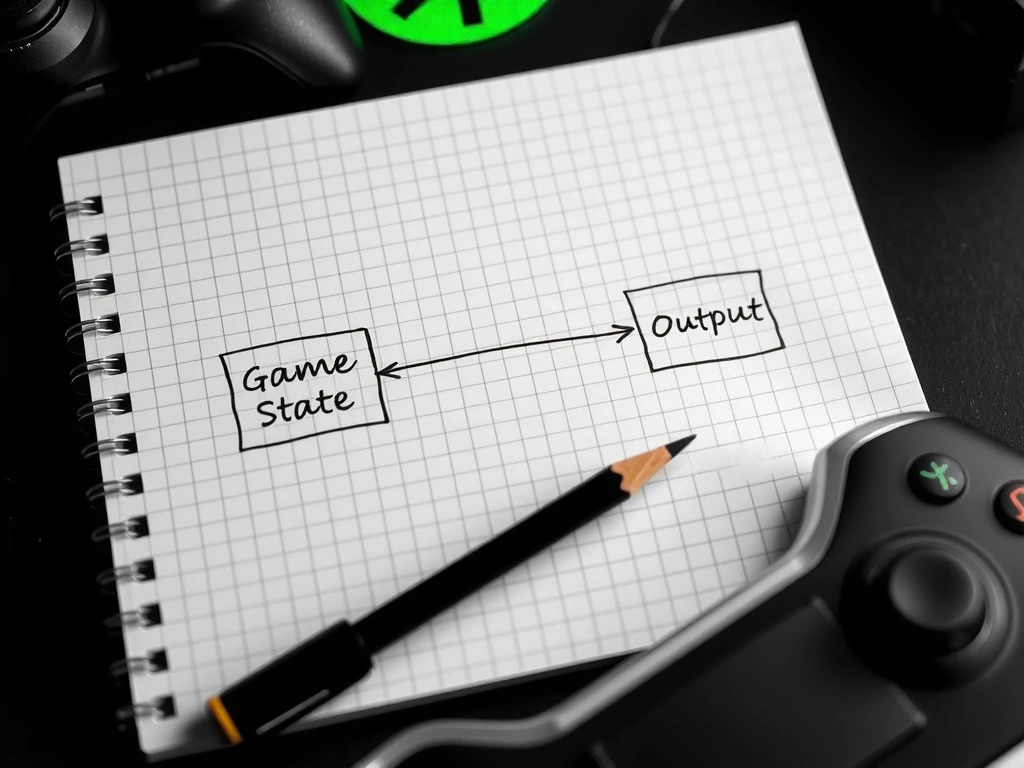
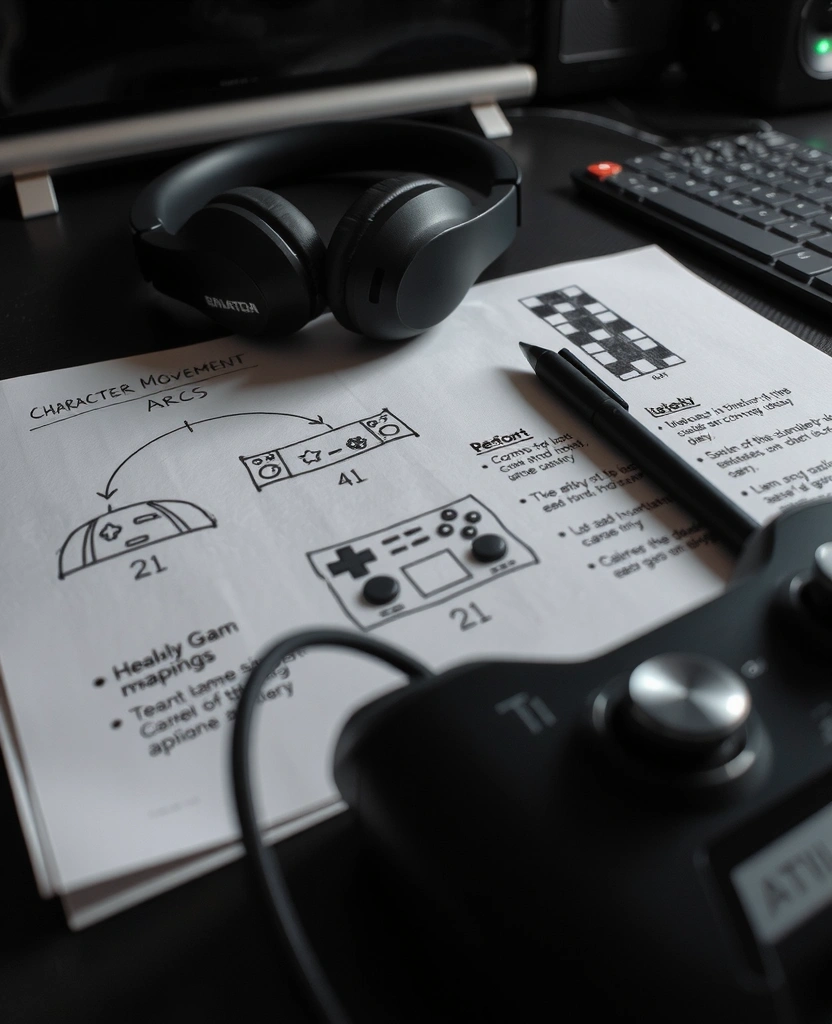
Blueprint and controller on desk

The Leadory Blueprint

Four phases to a finished game.

Phase 1: Concept Sprints (2 weeks)

We prototype core mechanics on paper and in minimal code. The goal is to answer one question: is the core loop fun before a single asset is made? Ideas lacking a clear 'fun loop' are discarded early, preventing costly pivots later.

Paper prototype sketch

Phase 2: Vertical Slice (4-6 weeks)

A single, fully playable level that proves the game's feel, art style, and audio direction. This is our internal 'greenlight' gate. If the slice doesn't deliver a satisfying experience, we iterate or shelve the project.

Vertical slice game screenshot

Phase 3: Production & Polish (Variable)

We build the full game using agile sprints. Weekly playtests catch pacing issues before they compound. Polish isn't a final phase; it's a parallel track. Sound, visuals, and feedback loops are refined continuously.

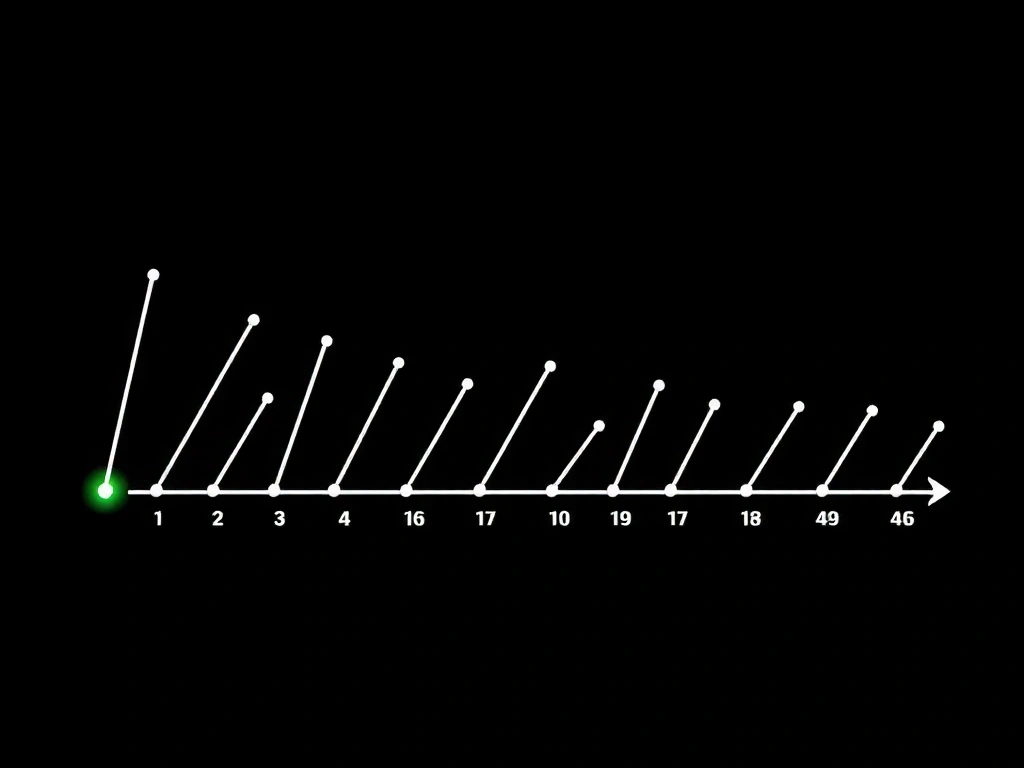
Iterative development timeline

Phase 4: Platform Submission & Launch

We handle asset creation, compliance checks, and soft-launch testing. This phase ensures a smooth release. Store pages are crafted to communicate the game's core loop clearly, with targeted screenshots and videos.

Launch readiness concept

Our Craft: Tools, Principles & Pitfalls

Performance Budgets

We set strict frame-time budgets for every feature. This guarantees smooth play on mid-range devices, forcing us to optimize early rather than chase 60 FPS at the last minute.

Audio-First Design

Sound effects and music are prototyped alongside gameplay. This establishes emotional tone from day one, ensuring audio isn't an afterthought but a core feedback channel.

Engine Agnosticism

We choose Unity or Godot based on the project's specific needs, not a one-size-fits-all mandate. The right tool for the loop is a non-negotiable decision point.

Terminology: A Point of View

Scope Creep

The single greatest killer of indie projects. Our defense: the 'Vertical Slice' gate. No greenlight, no full production.

Happy Path

The ideal player journey. We map this first, then deliberately break it to find frustration points. Testing isn't just for bugs.

Technical Debt

Not a sin, but a loan. We document every shortcut taken. The 'Budget' tool forces us to pay it down before it compounds interest.

Player Emotion

Our primary metric. A 'frustration bug' (input drop) is fixed before a 'cosmetic bug' (texture flicker). Quality is emotional impact.

Common Failure Modes

Vague Design Docs

If it's not measurable, it's not actionable. We use specific constraints (e.g., "jump must feel responsive within 120ms") to align the team.

The "Feature Dump"

Adding mechanics because it's "cool" dilutes the core loop. We kill features that don't serve the emotional goal of the game.

Silent Failures

If a game crashes without a clear error, it's a critical failure. We log everything and assume the user won't report it.

Philosophy

Designing for Real Moments

The First 60 Seconds: We teach controls through play, not text. If a player can't understand the core mechanic by the time the first sound effect plays, we've failed.

Respecting Time: Every session should feel rewarding, whether it's 5 minutes or 2 hours. We avoid 'time-gating' mechanics that punish players for engaging on their own schedule.

Accessibility as Standard: Colorblind modes, scalable UI, and customizable controls are built in on day one, not patched in later. Inclusion is a design constraint, not a feature.

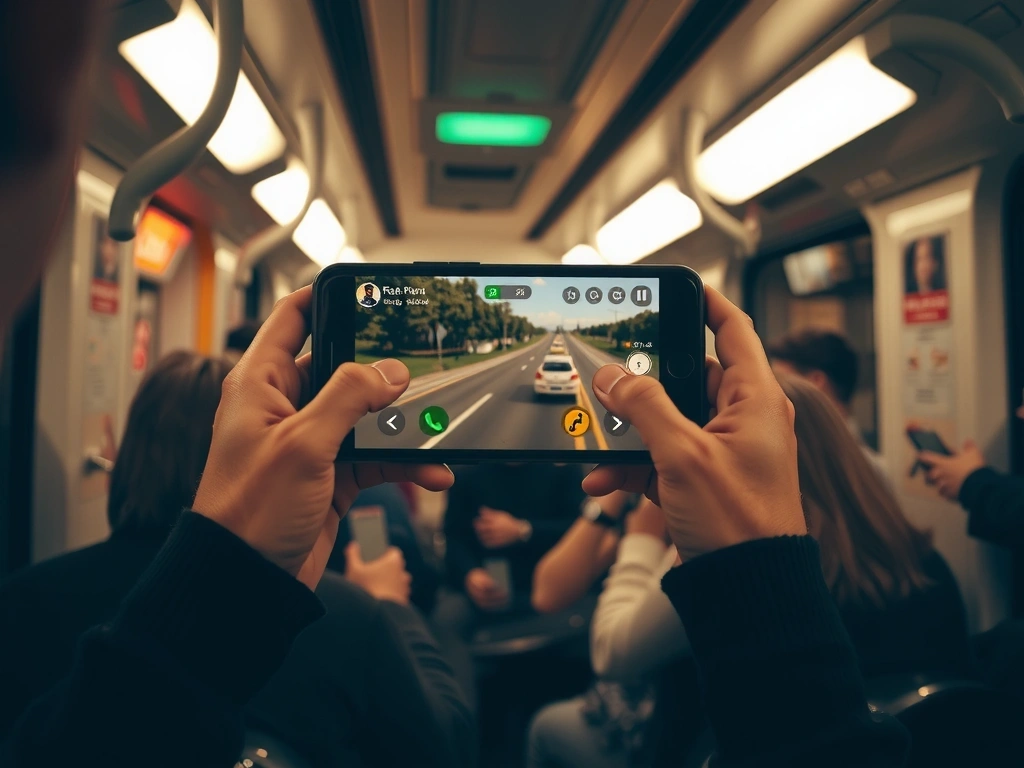
The Commuter Test: Can our game provide satisfying, bite-sized progress on a crowded train? We design for interruptibility, ensuring progress is saved and resumed gracefully.
Discuss Your Player Journey
Player on a train with mobile game

Post-Launch: The Life of a Leadory Game

Our relationship doesn't end at launch. We treat support as a core phase of the development cycle.

90-Day Health Check

We analyze retention, crash reports, and community sentiment to create a prioritized update roadmap. The first major patch is planned before launch.

Content vs. Features

We focus on meaningful content updates (new levels, stories) over superficial feature bloat. Every addition must serve the core loop.

Platform Evolution

We adapt our games for new OS versions and hardware. Longevity is a design goal from the start, not an afterthought.

Ethical Commitment

We never use 'dark patterns' to drive engagement. Player trust is our most valuable asset. Our changelogs are written for humans, not developers.

Ready to build something players remember?

Let's discuss your idea and how our blueprint can bring it to life.

Start the Conversation

Alexanderplatz 1, 10178 Berlin, Germany · +49 30 12345678